By Alabi Rahmat | Service Professional & Women’s Health Advocate | Contributor at Diet9ja
Beyond the Walk, Into Everyday Life
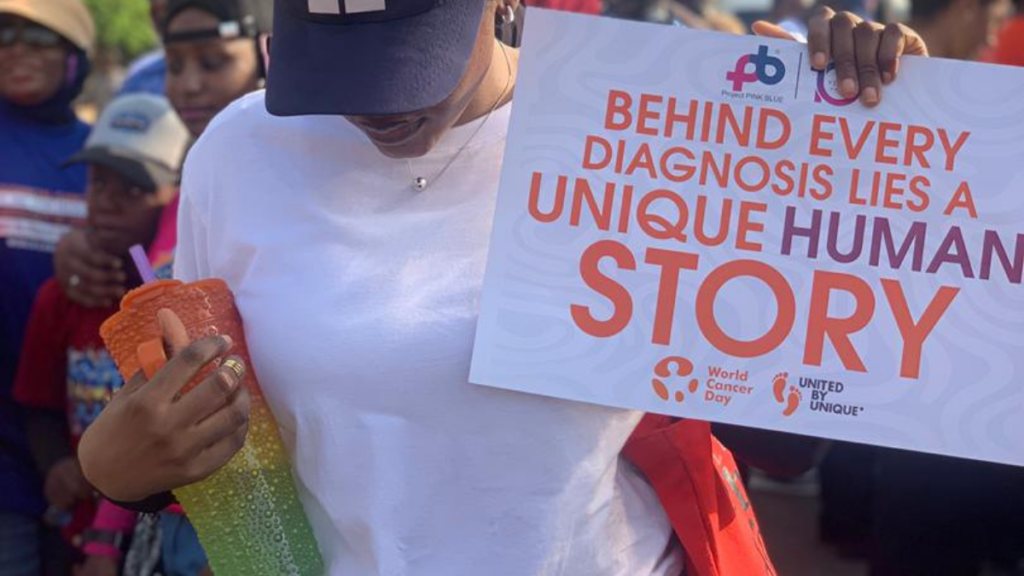
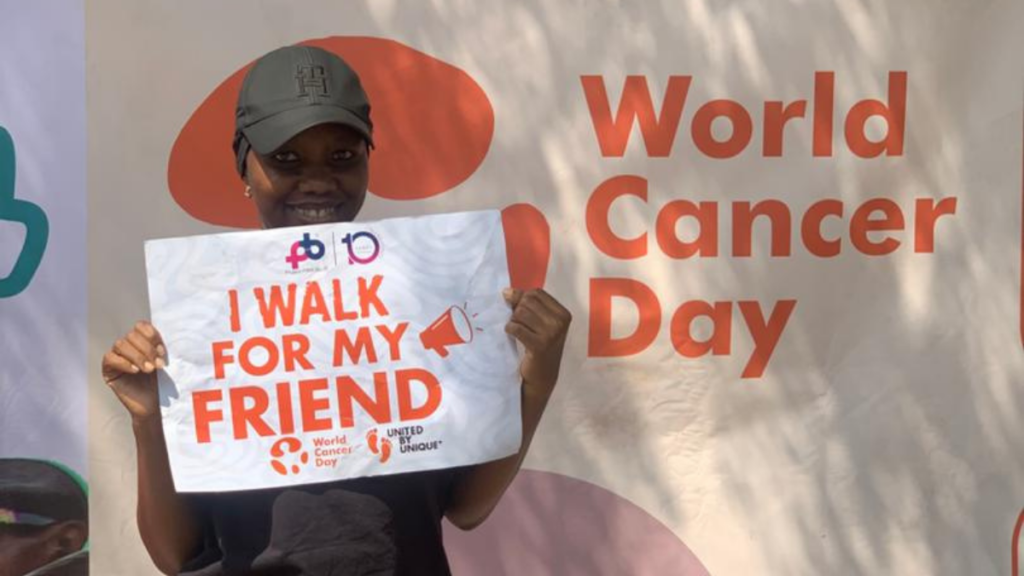
Standing among thousands of Nigerians at the World Cancer Day walk in Abuja, one truth became clear: cancer is not just a statistic or a medical term, it is a human story. It is a mother, a sister, a colleague, a neighbor. It is families navigating fear, hope, and resilience.
The energy at the walk was powerful. Professionals, advocates, survivors, and volunteers came together with one shared goal: awareness. Yet as inspiring as these moments are, awareness must not end with banners, hashtags, or annual events. It must translate into everyday habits, especially what we eat.
In Nigeria’s growing fight against cancer, nutrition awareness remains one of the most overlooked yet powerful tools for prevention and long-term health.
Cancer is not just a medical challenge in Nigeria, it is a lifestyle conversation we are yet to fully embrace. From our markets to our kitchens, the choices we make daily have a direct impact on long-term health. World Cancer Day reminds us that prevention does not start in hospitals, but at home.
The Cancer Reality in Nigeria: A Growing Public Health Concern
Cancer cases in Nigeria are rising, with many diagnoses occurring at late stages. One of the biggest challenges is not just access to treatment, but lack of early awareness and preventive education.
Many Nigerians are unaware of:
- Early warning signs of common cancers
- Lifestyle factors that increase risk
- The role diet and nutrition play in long-term health
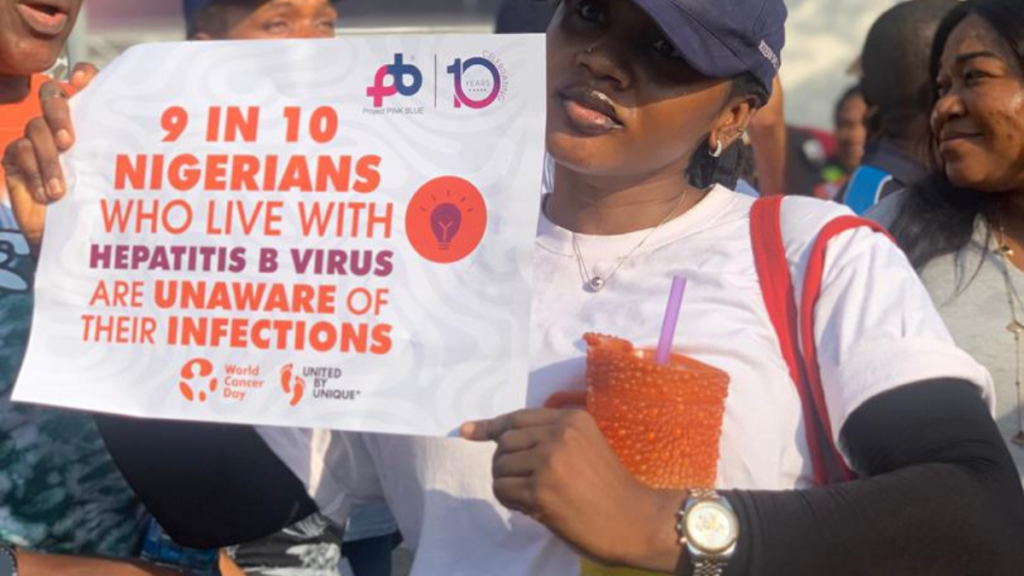
Just as with Hepatitis B-where studies show that 9 in 10 Nigerians are unaware of their status—cancer awareness faces a similar gap. Late detection often leads to higher mortality, emotional strain on families, and increased healthcare costs.
This is why prevention-focused conversations must move beyond hospitals and into homes, markets, kitchens, and daily food choices.
Nutrition Is Not a Cure, But It Is a Powerful Shield
It is important to be clear: food does not cure cancer. However, nutrition plays a critical role in reducing risk, strengthening the immune system, and supporting the body before, during, and after illness.
Poor dietary habits-high consumption of ultra-processed foods, sugary drinks, excessive red meat, and low intake of fruits and vegetables-have been linked globally to increased cancer risk.
On the other hand, diets rich in:
- Whole foods
- Fruits and vegetables
- Fiber-rich staples
- Healthy fats can help reduce inflammation, regulate body weight, and support overall metabolic health.
In Nigeria, this conversation is especially important because many traditional foods are naturally healthy, yet are being replaced by convenience foods due to urbanization and lifestyle changes.
Nigerian Foods and Cancer Prevention: Returning to Our Roots
Local Nigerian diets already contain powerful nutritional benefits when prepared and consumed mindfully. Foods such as:
- Vegetables (ugu, ewedu, okra)
- Legumes (beans, lentils, moi-moi)
- Whole grains (ofada rice, millet, sorghum)
- Healthy fats (palm oil in moderation, groundnuts, seeds)
These foods are rich in antioxidants, fiber, and essential nutrients that support long-term health.
Nutrition awareness is not about expensive “foreign” diets, it is about understanding how to eat our local foods better, in the right portions, and with balance.
This is where education becomes critical.
Women’s Health: Why Nutrition Awareness Matters Even More
Women sit at the center of household nutrition in many Nigerian homes. They are often caregivers, meal planners, and health decision-makers—while also being vulnerable to unique health challenges.
From pregnancy and postpartum nutrition to hormonal changes later in life, women’s nutritional needs directly affect not just themselves, but entire families.
Yet many women lack access to:
- Simple nutrition education
- Preventive health information
- Community-level support systems
World Cancer Day is a reminder that protecting women’s health through nutrition education is one of the most effective ways to protect communities as a whole.
Why World Cancer Day Matters Right Now in Nigeria
With rising cancer cases and increasing lifestyle-related diseases, Nigeria is at a critical point where prevention must become a national conversation. World Cancer Day offers a timely opportunity to shift focus from treatment alone to education, nutrition, and early action.
From Awareness to Daily Practice
World Cancer Day reminds us that prevention does not begin in hospitals, it begins at home. It begins with conversations, education, and intentional daily habits.
You can start by:
- Learning more about balanced nutrition
- Talking to family members about healthy food choices
- Reducing reliance on ultra-processed foods
- Supporting community health initiatives
- Sharing credible nutrition information
The walk may be over, but the responsibility continues.
By prioritizing nutrition awareness, we can reduce risk, improve quality of life, and support a healthier Nigeria, one informed choice at a time.
Where Diet9ja Comes In: Nutrition Education as Prevention
AtDiet9ja, we believe the fight against preventable diseases, including cancer—starts with knowledge, cultural relevance, and everyday choices.
Diet9ja is committed to:
- Promoting healthy Nigerian food choices
- Bridging the gap between awareness and action
- Our focus is not fear-based messaging, but practical, culturally grounded guidance that helps Nigerians eat better today for a healthier tomorrow.
- Making nutrition education simple and accessible
- Empowering individuals to make informed diet decisions
About the Author

Alabi Rahmat is a service professional and women’s health advocate passionate about community-driven wellness and preventive nutrition in Nigeria. She writes for Diet9ja to promote healthier lifestyles through culturally relevant food education
Disclaimer
Content on Diet9ja is for educational purposes only and does not replace professional medical advice. Read our full Disclaimer