Looking to increase your vitamin D intake? These foods contain more vitamin D than an egg and are easy to incorporate into your eating pattern.
Vitamin D, often called the “sunshine vitamin,” is essential for maintaining healthy bones, supporting immune function and regulating mood.
The recommended daily intake of vitamin D is 600 IU (international units) for most adults, increasing to 800 IU for those over 70. While an egg is often celebrated for its nutritional value, one large egg only contains about 44 IU of vitamin D, which accounts for just 7% of the daily recommended intake. For those looking to up their vitamin D game, there are plenty of foods with even more of this vital nutrient.
1. Salmon

Salmon is one of the richest natural sources of vitamin D. A 3-ounce serving of cooked salmon provides around 570 IU of vitamin D, covering about 95% of your daily needs. Wild-caught salmon tends to have higher levels of vitamin D than farmed salmon, but both are excellent sources. Salmon is also packed with omega-3 fatty acids, which support brain health and heart health and help to reduce inflammation. You can grill or bake salmon for an easy weeknight dinner or add it to salads, pasta or grain bowls. Canned salmon is great to have in your pantry for quick and nourishing meals like our Salmon-Stuffed Avocados or our Easy Salmon Cakes.
2. Mushrooms (Exposed to UV Light)
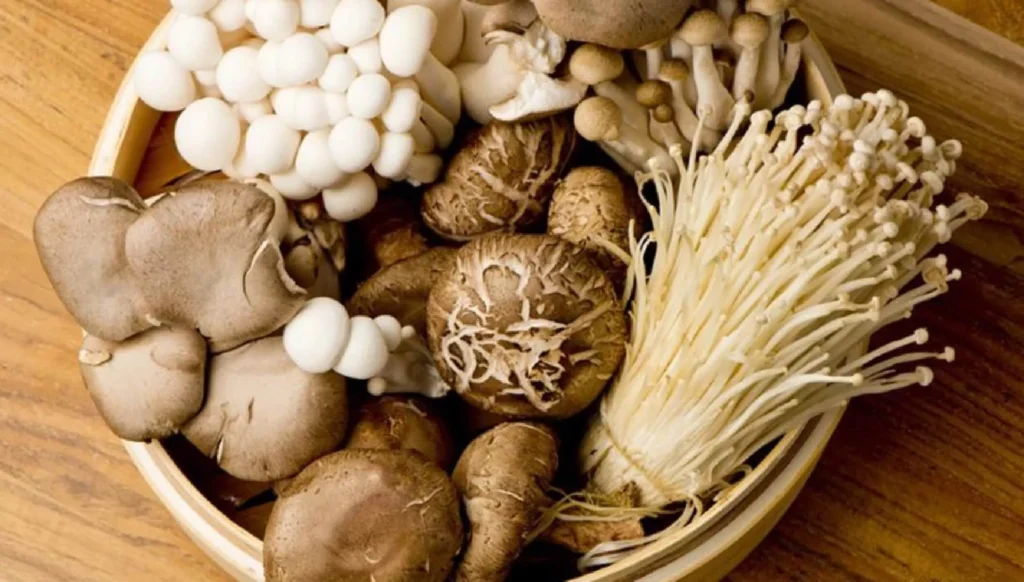
Mushrooms that have been exposed to UV light are one of the few plant-based sources of vitamin D. When exposed to UV light with their gills (also called lamellae) facing up, mushrooms can produce significant amounts of vitamin D. A ½ cup of UV-exposed mushrooms contains up to 366 IU of vitamin D, making them a great option for those following vegetarian and vegan diets. Mushrooms also provide important nutrients like selenium, potassium and B vitamins. Add mushrooms to stir-fries, soups or pasta dishes. For an easy side dish, try our Roasted Mushrooms with Brown Butter and Parmesan that’s sure to please everyone around your table.
3. Fortified Cow’s Milk

Fortified cow’s milk is a staple in many households and a reliable source of vitamin D. One cup provides 120 IU of vitamin D₂. In addition to vitamin D, cow’s milk is also rich in calcium and vitamin B12, both of which are essential for numerous body functions, including supporting bone health and energy production. Whether you drink it straight, pour it over cereal, or use it in recipes, milk can help ensure you’re meeting your daily nutritional needs.
4. Fortified Plant-Based Milk
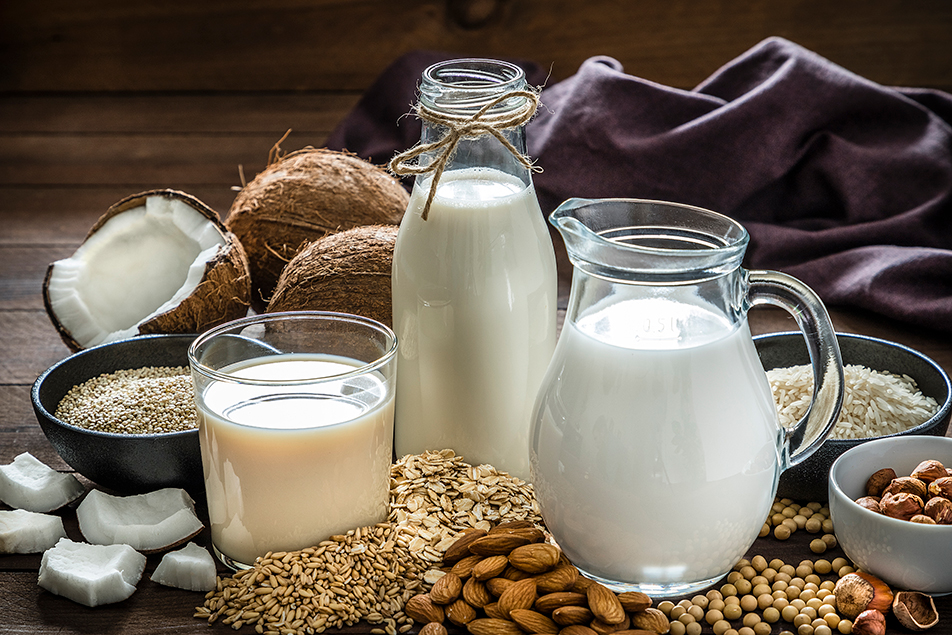
Many plant-based milks, such as almond, soy and oat milks, are fortified with vitamin D to match the levels found in cow’s milk. A 1-cup serving of fortified plant-based milk typically contains between 100 and 144 IU of vitamin D₂. Many fortified plant-based milks are also enriched with calcium and vitamin B12. Use plant-based milk in your coffee, smoothies or cereals. You can also use it as a base for creamy soups or sauces.
5. Sardines

Just two sardines provide 46 IU of vitamin D, narrowly exceeding the amount you will find in one egg. Sardines are also rich in calcium, vitamin B12 and omega-3s, making them a great option for supporting bone and heart health. Plus, if you buy them canned, they’re a quick and easy option for adding protein and nutrients to your meals in a pinch. Sardines are perfect on toast, in salads or mixed into pasta dishes.
Eggs are a nutritious food, and they can be a healthy addition to your eating pattern if you enjoy them. But when it comes to vitamin D, there are several foods that provide more of this essential nutrient.